Virtual Reality Prototypes Shifting Game Mechanics in Licensed Digital Betting Markets
Zara Schmitz · Sep 3, 2026
Virtual Reality Prototypes Shifting Game Mechanics in Licensed Digital Betting Markets
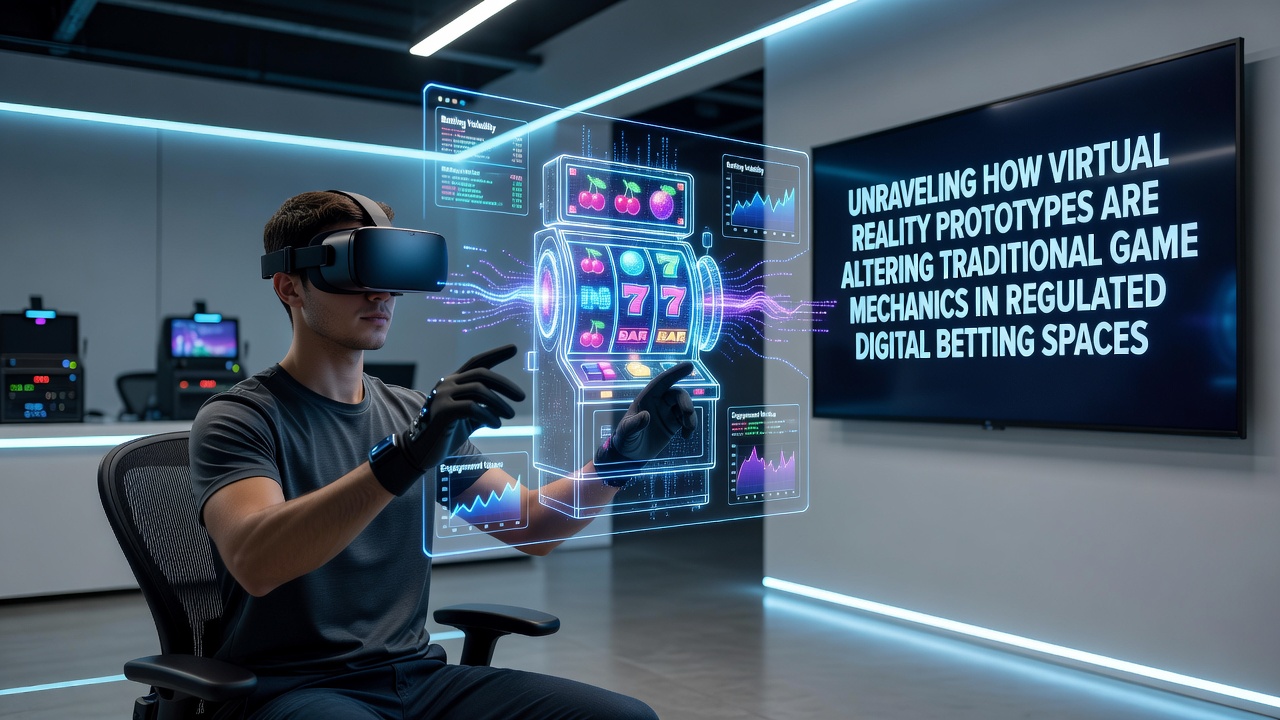
Virtual reality prototypes are entering regulated digital betting platforms through controlled testing phases that focus on how core mechanics adapt when players move from flat screens into three-dimensional spaces, and developers adjust traditional elements such as reel spins, card dealing sequences, and betting interfaces to fit spatial environments. Regulatory bodies in multiple jurisdictions require these prototypes to maintain compliance with existing fairness standards while the new interfaces undergo evaluation for player interaction data.
Core Mechanic Adjustments in VR Betting Prototypes
Traditional slot mechanics rely on random number generators that determine symbol alignment on a two-dimensional grid, yet VR prototypes reposition these outcomes into virtual reels that players can walk around or manipulate with hand gestures, and testing programs show that movement tracking adds layers of input validation without altering the underlying probability calculations. Table game prototypes similarly convert static dealer animations into spatial interactions where players reach for virtual chips or cards, which demands updated protocols for confirming each action to prevent input errors during live sessions.
Researchers tracking early deployments note that gesture-based controls replace button clicks, and this shift requires new calibration standards to ensure every bet registers accurately within the regulated system. Data collected from pilot programs indicates that session lengths vary when players navigate three-dimensional lobbies instead of scrolling through menus, and operators adjust pacing algorithms accordingly to align with established responsible gaming limits.
Regulatory Oversight and Compliance Frameworks
Authorities in Nevada and New Jersey have outlined specific approval pathways for VR prototypes that require independent testing labs to verify both the random outcome integrity and the spatial interface accuracy before wider rollout. These frameworks build on existing digital gaming regulations while adding requirements for motion data logging, and reports from the Nevada Gaming Control Board highlight how each prototype must demonstrate that traditional mechanics remain unchanged even as presentation layers evolve.
Similar evaluations occur in Australia where state regulators examine how VR environments handle multi-player synchronization without introducing latency that could affect bet timing, and findings from these reviews emphasize the need for robust network standards across licensed platforms. European jurisdictions follow parallel processes that tie VR testing to broader consumer protection rules already applied to mobile and desktop offerings.
Technical Integration and Player Interaction Data
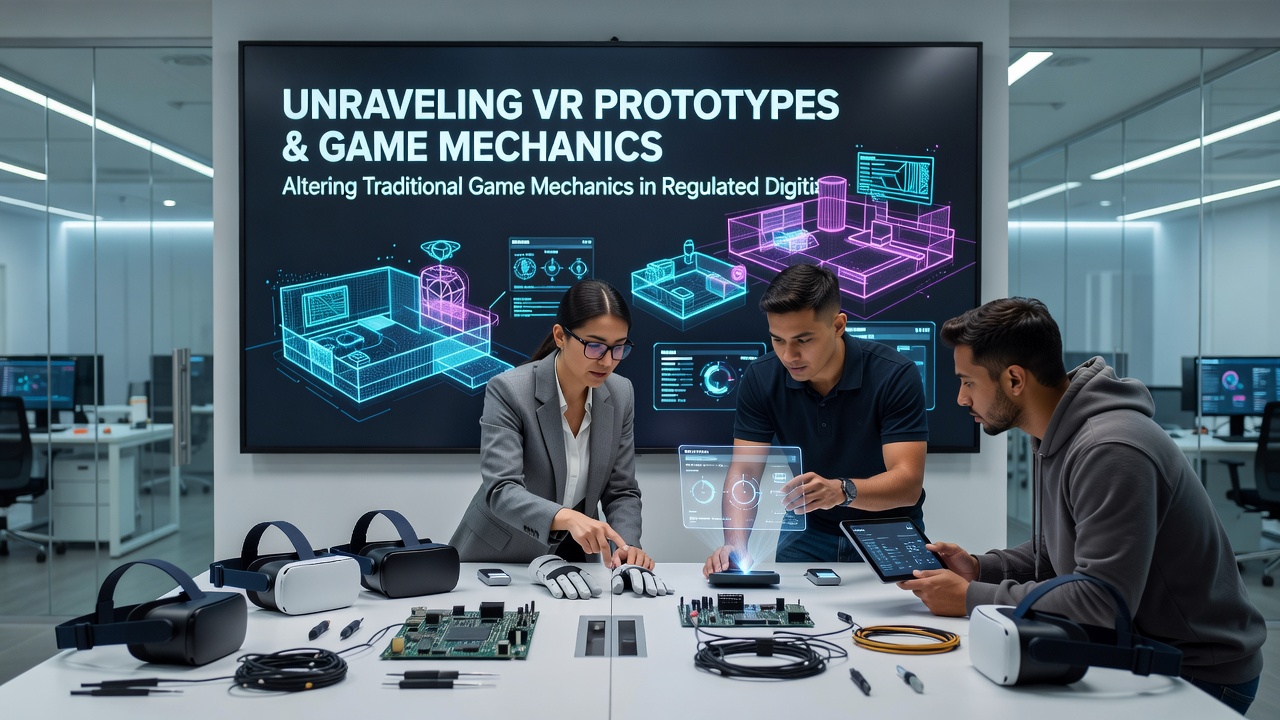
Engineers working on VR betting prototypes integrate eye-tracking and hand-position sensors that record how users approach betting decisions, and this information feeds back into interface refinements without changing the certified random number generators that govern outcomes. One study from a North American research institution examined prototype sessions conducted in September 2026 and found that spatial audio cues influenced how quickly players placed additional wagers compared with traditional screen-based versions, prompting developers to calibrate sound design within existing session management rules.
Platform operators report that VR prototypes demand higher bandwidth allocations because continuous spatial rendering replaces static graphics, and these technical demands are addressed through partnerships with licensed infrastructure providers. The result is that core mechanics such as payline evaluations or hand rankings stay identical while the method of input collection expands to include full-body tracking.
Industry Testing Programs and Geographic Variations
Testing programs in Canada and parts of the European Union focus on cross-border compatibility so that a single VR prototype can meet multiple regulatory checklists, and analysts note that this approach reduces duplication of certification costs for manufacturers. In each region the emphasis remains on preserving the separation between game logic and presentation so that fairness audits continue without interruption.
One case involved a prototype that converted a standard roulette wheel into a walkable virtual arena where players could observe ball physics from multiple angles, and regulators confirmed that the physical simulation matched certified probability models before approving limited public access. These examples illustrate how prototypes undergo layered reviews that combine software verification with hardware performance checks.
Conclusion
Virtual reality prototypes continue to demonstrate measurable changes in how players engage with established game mechanics inside regulated digital betting spaces, and ongoing data collection from approved testing sites provides the basis for further refinements. Regulatory bodies across several continents maintain consistent requirements that keep random outcome integrity intact while allowing spatial interfaces to develop within defined boundaries. As deployment expands, the documented patterns from these controlled environments supply the factual record for assessing long-term integration of VR elements into licensed platforms.